Roofer: Trusted Roof Repair Experts for Commercial Buildings
Excellent Roofing Choices: Which Material Is Perfect for Your Home?
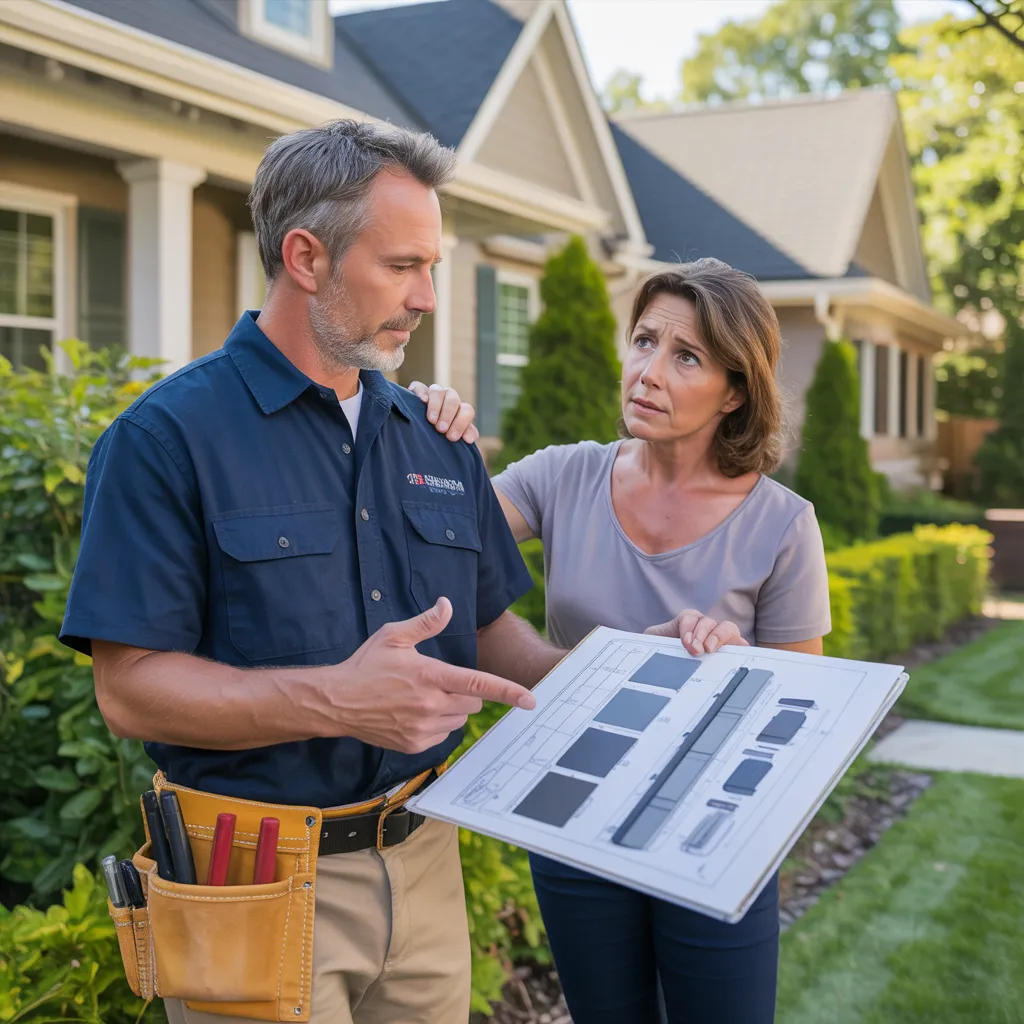
Determining the appropriate roofing material is a vital decision for homeowners. Numerous options can be found, each with separate benefits and drawbacks. The selection often rests on considerations including strength, price, and look. Grasping these elements can substantially impact long-term pleasure and upkeep. What are the most favored materials, though, and how do they measure up to one another? Exploring these inquiries can produce a more knowledgeable choice.
The Merits of Popular Roofing Materials
In considering roofing materials, homeowners frequently find that each option offers unique advantages. Asphalt shingles, for instance, are popular due to their affordability and simple installation process, making them an ideal choice for budget-aware homeowners. Metal roofing, conversely, offers durability and energy conservation, bouncing back sunlight and lowering cooling costs. Tile roofs, known for their aesthetic appeal, provide excellent longevity and withstand severe weather conditions, although they demand a higher initial investment. Wood shakes contribute a rustic charm but necessitate more maintenance to prevent rot and insect damage. Finally, slate roofs are celebrated for their beauty and durability, often lasting over a century, yet they come with a significant price tag. Each material's specific benefits address different homeowner preferences, ensuring that there is a suitable option for a variety of needs and budgets in roofing projects.
How to Examine Roofing Resilience and Lifespan?
Assessing roofing durability and lifespan requires a careful evaluation of various factors that impact long-term performance. An important consideration is the material itself; choices such as asphalt shingles, metal, and slate each provide individual advantages and disadvantages. Furthermore, the local climate has an important role, since extreme weather conditions can decrease the lifespan of a roof.
Another aspect to assess is installation quality. Professional installation can significantly improve longevity, while poor workmanship may result in premature failures. Routine upkeep also impacts longevity; roofs undergoing regular inspections and maintenance tend to last longer.
Also, warranties delivered by manufacturers offer insight into predicted endurance. A longer warranty often reveals higher faith in the material's longevity. Finally, understanding the history of the substance applied—such as its conduct in parallel circumstances—can support in determining an informed judgment about roof durability and lifespan.
Low-cost Roofing Cost Comparisons
Reasonably priced roofing selections can range widely in expense, making it necessary for homeowners to conduct detailed comparisons. Asophalt shingles often represent one of the most low-cost options, averaging between $90 and $100 per square. Metal roofing, despite being initially more high-priced at $120 to $900 per square, can yield long-term financial gains through durability and energy efficiency. In contrast, rubber roofing is increasing in popularity, costing around $100 to $200 per square, and is well-suited for flat roofs. Tile roofing, despite its visual appeal, can prove costly, ranging from $300 to $800 per square. Homeowners should likewise consider installation costs, which can markedly influence the overall budget. Comprehending the durability of each material, paired with potential maintenance costs, can further inform financial deliberations. By comparing these considerations, homeowners can identify a roofing solution that merges affordability with excellence.
Selecting a Roof Design That Enhances Your Home's Architecture
Deciding on the correct roof style is important for enhancing a home's overall appearance. Accordance with the architectural style, along with coordination in color and material, plays a vital role in achieving a seamless look. Homeowners should reflect on these factors to assure their roofing choice suits the existing design.
Architectural Style Compatibility
When picking a roofing option, homeowners should evaluate how effectively it matches their home's architectural style. Assorted design types, like Colonial, Victorian, or Modern, feature particular characteristics that can complement or work against multiple roofing solutions. For example, a pitch-heavy roof could match a traditional Victorian home, whereas a minimalist roof could improve a contemporary design. Moreover, roof materials and shapes should reflect the home's general style, ensuring visual coherence. Homeowners might want to assess area-specific influences and context from history, because these factors can establish compatible styles. In conclusion, the perfect roof can raise visual appeal and maintain the integrity of the home's narrative of design.
Color and Material Balance
In what way does one ensure that a roof’s tone and material coordinate with the overall design of a home? The key is knowing the architectural style and existing color palette. A unified look is achieved when roofing materials, such as tiles or tiles, match the home’s exterior features. For instance, time-honored homes often benefit from warm hues and natural materials, while contemporary designs may adopt bold colors and sleek finishes. Homeowners should also reflect on the surrounding environment; colors that blend with nature can improve aesthetic appeal. Moreover, using contrasting shades strategically can highlight architectural elements without overshadowing the overall design. Ultimately, careful selection secures that the roof becomes an integral part of the home's visual identity.
Sustainable Roofing Materials: Eco-Friendly Choices
As the need for environmentally responsible building methods grows, eco-friendly roof options have emerged as a practical alternative for homeowners and builders alike. These materials not only reduce environmental impact but also enhance power conservation and durability. Options such as metal, bamboo, and recycled shingles are gaining popularity due to their strength and low ecological footprint.
Metal roofs, often made from recycled content, reduce thermal absorption, reducing cooling costs in warmer climates. Bamboo, a quickly regenerating material, provides a light-weight option that can be both aesthetically pleasing and sustainable. Recycled shingles, created from repurposed materials, reduce environmental impact and deliver dependable durability.
Furthermore, green roofs, which incorporate vegetation, improve insulation and promote biodiversity. The adoption of these eco-friendly choices not only contributes to environmental sustainability but also leads to possible cost reductions and enhanced home worth, making them an appealing choice for the environmentally conscious homeowner.
How to Select the Best Roof Option for Your Needs
The process of choosing the correct roofing material involves a number of important aspects. Initially, one must assess regional weather patterns to assure resilience and effectiveness. Also, spending limits and style preferences are vital considerations in making an informed decision.
Analyze Weather Aspects
When assessing climate considerations for roofing materials, it's crucial to understand that varying climates exert distinct requirements on a roof's performance and lifespan. In areas with significant snow, roofs must be constructed to endure the weight and avoid frozen buildup. Conversely, regions susceptible to extreme heat require products that reflect solar rays and combat heat buildup. Seaside areas face difficulties from saltwater exposure and strong winds, necessitating durable, corrosion-resistant solutions. Furthermore, properties in regions with regular severe weather should emphasize durable weather-resistant roofing choices. Understanding local weather patterns, such as rainfall, temperature fluctuations, and wind speeds, is vital for selecting the best roof covering. This tailored approach not only improves strength but also contributes to better energy performance and homeowner satisfaction.
Evaluate Budget Constraints
Budget constraints play an essential role in selecting the most suitable roofing material for a project. Homeowners must first establish a clear budget, taking into account both initial expenses and long-term costs, such as maintenance and energy efficiency. Different materials vary considerably in price; for instance, asphalt shingles are generally more affordable than metal or slate options. It is vital to factor in installation costs, as some materials require specialized labor, which can increase overall expenses. Additionally, homeowners should consider the lifespan of the material, as a higher upfront cost may be justified by durability and reduced future repairs. By carefully evaluating these financial aspects, individuals can make informed choices that align with their budgetary limitations while ensuring quality and functionality.
Take Into Account Aesthetic Inclinations
The aesthetic appeal considerably influences the choice of roofing elements, since it directly affects the overall style of a home. Homeowners often weigh how various options fit architectural styles, whether classic or contemporary. For example, slate and tile can enhance the elegance of a classic design, while metal roofing may offer a refined, modern appearance. Color choices also play a significant role; lighter shades can make a home appear larger, and darker hues can add warmth and depth. Additionally, texture and finish contribute to the visual dynamics of a roof. Ultimately, choosing roofing materials that align with personal preferences and neighborhood Roofer aesthetics ensures the home remains visually appealing and harmonious within its surroundings.
Common Inquiries Posed Often
How Do Weather Conditions Change Roofing Material Performance?
Roofing material durability is greatly affected by weather conditions, shaping longevity, insulation, and structural strength. Extreme temperatures, precipitation, and UV exposure can cause degradation, compromising structural soundness and demanding timely repair or replacement to ensure superior protection.
What Roof Alternatives Suit Extreme Climates?
For extreme climates, metal roofing provides durability and protection to high winds, while slate delivers excellent insulation against temperature fluctuations. Additionally, modified bitumen is suitable for harsh conditions, ensuring reliable protection and longevity in challenging environments.
Is it feasible to install updated roof coverings above existing shingles?
Yes, you can install new roofing over existing shingles, provided the existing roof is in good condition. This method can cut down on time and labor expenses, but local building codes and weight limits must be evaluated.
How often Should I survey My Roof for damage and wear?
Property owners should inspect their roofs at least twice a year, ideally in spring and fall, and following harsh weather conditions. Regular inspections help identify potential damage early, avoiding expensive maintenance and ensuring lasting roof durability.
What Guarantees Are Commonly Found for Roof Materials?
Roofing products typically feature warranties ranging from 20 to 50 years, covering defects and workmanship. Some manufacturers offer tiered warranty options, while others provide full protection options for specific periods, ensuring protection against premature failure.
Summary Statement
To recap, selecting the ideal roofing material necessitates meticulous consideration of several factors, including aesthetics, durability, budget, and sustainability. By learning about the advantages of each type and evaluating their long-term implications, homeowners can render well-informed decisions that boost their home's value and appeal. Ultimately, the appropriate selection will not only shield the home but also align with the homeowner's vision and environmental goals, ensuring a roof that stands the test of time.